Assisted Stretching to Improve Mobility and Reduce Muscle Tension
Many people experience stiffness, muscle tightness, or reduced mobility that can affect daily movement. Whether caused by long hours sitting, repetitive activities, or recovery from injury, limited flexibility can make everyday tasks more difficult. At Precizion Performance, assisted stretching in Montclair, CA offers a structured approach to improving flexibility, restoring movement, and helping individuals move more comfortably.
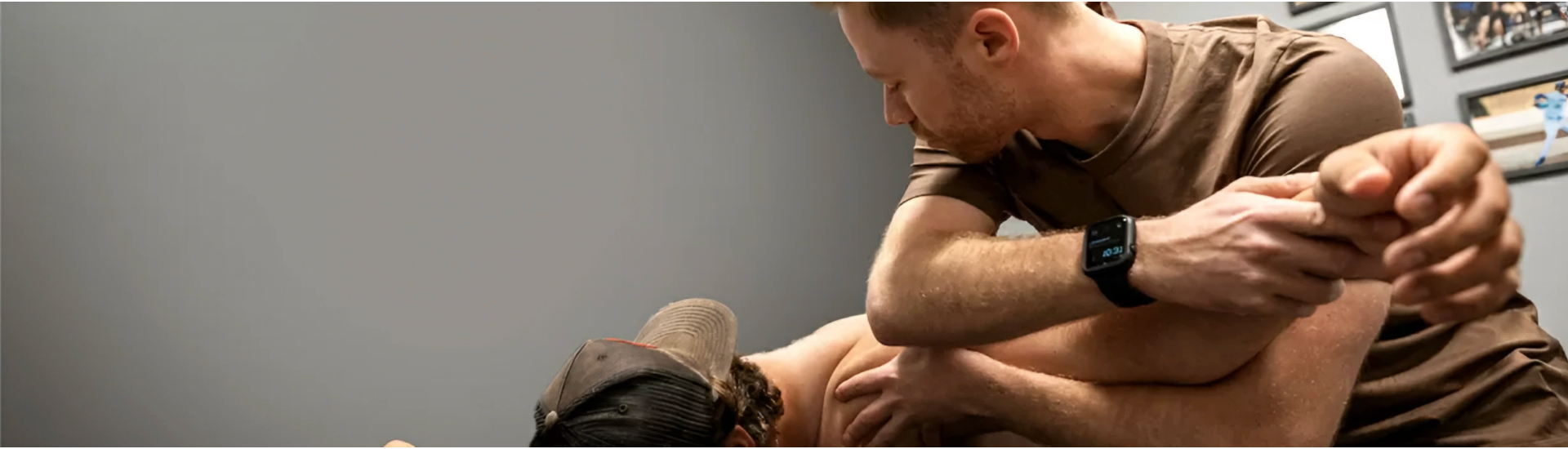
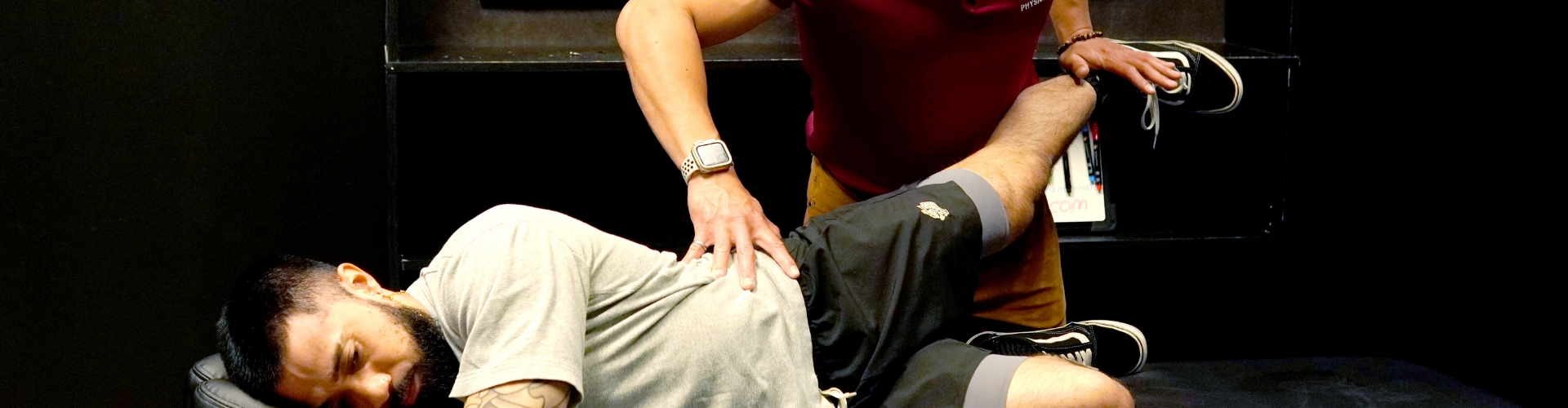
Assisted stretching involves guided techniques performed by a trained professional who helps move the body through safe ranges of motion. This hands-on approach allows for controlled stretching that may help improve joint mobility and reduce muscle tension.
What Assisted Stretching Is
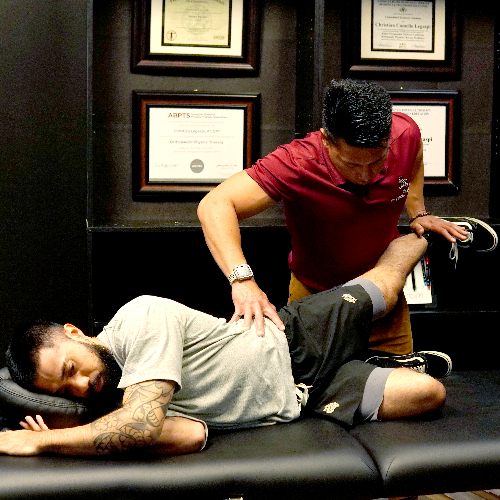
Assisted stretching is a structured program designed to improve flexibility, mobility, and movement quality. During these sessions, a therapist guides the body through specific stretches based on the individual’s needs and movement limitations.
Unlike self-stretching, assisted stretching allows the therapist to carefully control the intensity and direction of each stretch. This can help target muscles more effectively while maintaining proper alignment and safety.
Stretching programs are typically customized based on a person’s movement patterns, physical activity level, and rehabilitation goals.
Who May Benefit From Assisted Stretching
Assisted stretching can benefit individuals with a wide range of mobility concerns or movement goals.
It may be helpful for people who experience:
- Muscle tightness that limits daily movement
- Stiffness after prolonged sitting or standing
- Reduced flexibility affecting exercise or sports activities
- Recovery from injury that has limited mobility
- Joint stiffness related to musculoskeletal conditions
- Decreased range of motion after surgery or rehabilitation
- Postural strain caused by repetitive work activities
- Limited mobility that affects walking, bending, or reaching
A physical therapy assessment helps determine which stretching techniques may be most appropriate.
Types of Stretching Techniques Used
At Precizion Performance, assisted stretching programs often include a combination of stretching methods depending on the individual’s mobility needs and physical condition.
Common techniques include:
Assisted Stretching
Static Stretching
Dynamic Stretching
Proprioceptive Neuromuscular Facilitation (PNF) Stretching
Each technique is selected based on the patient’s mobility goals and physical capabilities.
What to Expect During an Assisted Stretching Session
Assisted stretching sessions begin with an evaluation to understand the individual’s movement patterns, flexibility limitations, and overall activity goals. This assessment helps identify areas where mobility may be restricted.
During the session, the therapist guides the body through controlled stretches designed to improve flexibility and joint movement. Attention is given to maintaining proper alignment and avoiding excessive strain.
Over time, individuals may notice improvements in flexibility, reduced muscle tightness, and smoother movement during everyday activities.
Integrating Stretching Into a Movement Program
Assisted stretching is often used as part of a broader physical therapy or wellness program. Improving flexibility can support other forms of movement training, such as strengthening exercises, balance work, or rehabilitation programs.
Therapists may also provide guidance on stretches that can be performed safely at home to help maintain mobility between sessions.
Supporting Comfortable, Efficient Movement
Maintaining flexibility and mobility plays an important role in overall movement health. Guided stretching sessions provide a structured way to address muscle tightness and movement limitations while helping individuals move more comfortably throughout their day.
Frequently Asked Questions
Is assisted stretching different from stretching on my own?
How often should assisted stretching sessions occur?
Can assisted stretching help improve flexibility for exercise or sports?