Cupping Therapy to Support Movement and Recovery
Many people searching for cupping in Montclair, CA are looking for ways to reduce muscle tension, improve movement, and support recovery from physical strain. Cupping is a therapeutic technique used in rehabilitation settings to help address tight tissues and movement limitations. At Precizion Performance, our physical therapist may incorporate cupping as part of a broader treatment plan that focuses on restoring function, improving mobility, and helping patients return to daily activities with greater comfort.
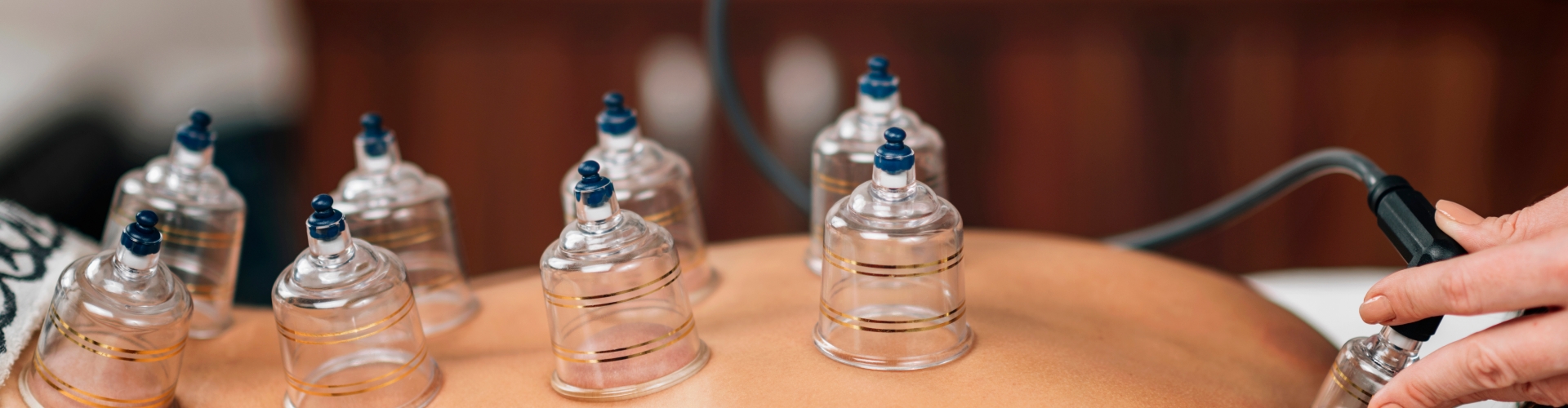
Cupping therapy uses specialized cups placed on the skin to create gentle suction. This suction lifts the tissue slightly and may help improve circulation, reduce muscle tightness, and support soft tissue mobility. Many patients seek cupping when they feel restricted by muscle stiffness, repetitive strain, or lingering soreness that limits activity.
Understanding How Cupping Works
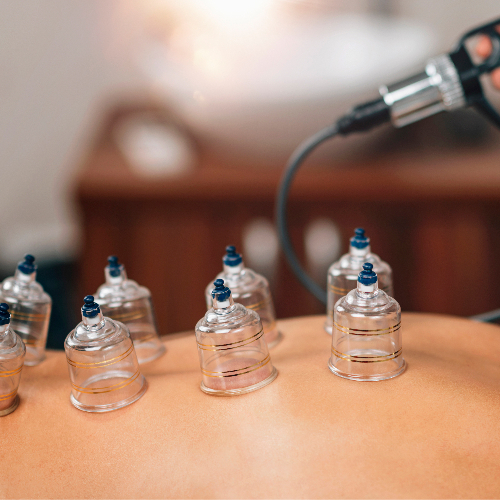
Cupping is a soft tissue technique that creates negative pressure between the skin and the cup. Unlike massage, which presses into tissue, cupping gently lifts the tissue. This approach may help improve mobility of the fascia and muscles underneath the skin.
In a rehabilitation setting, cupping is used as one tool within a comprehensive care plan. The goal is not simply relaxation but improved movement. Patients often request cupping because they want relief from persistent tightness, improved flexibility, or support during recovery from physical activity.
At Precizion Performance, cupping is applied thoughtfully and combined with exercise, education, and movement training to support long term improvement.
When Cupping May Be Helpful
Muscle tension and soft tissue restrictions can limit how the body moves. Cupping may be used when a physical therapist identifies areas of tightness or restricted tissue mobility that affect movement patterns.
Patients may benefit from cupping when they experience:
- Muscle tightness that limits range of motion
- Persistent soreness from repetitive activities
- Stiffness after exercise or physical work
- Soft tissue restrictions following injury
- Discomfort during movement or stretching
Cupping can be incorporated into treatment plans designed to improve how muscles and connective tissues move during daily activity.
Situations Where Cupping May Be Included in Care
- Neck and shoulder tension from desk work
- Tight back muscles affecting posture
- Hip and leg muscle stiffness during running or training
- Recovery from sports related muscle strain
- Shoulder movement limitations
- Persistent muscle soreness after activity
- Soft tissue restrictions after injury
- General muscle tension affecting movement
Each treatment plan is individualized based on evaluation findings and patient goals.
How Cupping Supports Rehabilitation
Care at Precizion Performance begins with a comprehensive evaluation of movement, strength, mobility, and symptom patterns. Our physical therapist discusses your goals and identifies the factors that may be contributing to discomfort or movement restrictions.
Cupping may be used alongside other treatment strategies to support progress. Therapy typically follows a structured process that includes evaluation, goal setting, guided treatment, reassessment, and a personalized home exercise program.
Common cupping techniques used during rehabilitation include:
- Static cupping, where cups remain in place for several minutes to support tissue relaxation
- Dynamic cupping, where the therapist moves the cup along muscle groups to improve tissue mobility
- Movement based cupping, where patients perform gentle movements while cups are applied
- Targeted soft tissue treatment, where cups focus on specific areas of tightness
- Combined manual therapy and cupping techniques to improve muscle mobility
- Integration with stretching exercises to support improved range of motion
Cupping works best as part of a comprehensive plan that includes exercise, movement retraining, and patient education. The exact techniques used depend on findings during your evaluation.
Care Focused on Movement, Comfort, and Progress
Patients who choose Precizion Performance for cupping receive care that focuses on restoring comfortable movement and supporting long term function. Our physical therapist explains each step of treatment so patients understand how therapy supports their goals.
You can expect:
- Clear communication about treatment options
- Individualized rehabilitation plans
- Evidence-informed decision making
- Collaboration between patient and therapist
- Ongoing progress monitoring
The goal is to support better movement patterns and help patients stay active in work, exercise, and daily routines.
What to Expect During Cupping Sessions at Precizion Performance
Your first visit includes a detailed discussion about symptoms, daily activities, and movement limitations. Our physical therapist evaluates posture, mobility, strength, and movement patterns to identify contributing factors.
If cupping is appropriate, the therapist places specialized cups on the skin to create controlled suction. Some patients notice temporary circular marks on the skin after cupping, which typically fade within several days.
Treatment sessions may also include stretching, strengthening exercises, and education to help maintain improvements between visits. Progress is reassessed regularly to ensure care remains aligned with your functional goals.
Cupping can support recovery by improving tissue mobility while other therapy strategies strengthen and retrain movement.
Learn Whether Cupping Is Right for You
Muscle tension and restricted movement can make everyday activities feel more difficult. Cupping may be one component of a rehabilitation program designed to support better mobility and comfort. Contact Precizion Performance to ask questions or schedule an evaluation for cupping in Montclair, CA. Our team will help you explore treatment options that support your goals and daily activities.
Frequently Asked Questions
Does cupping hurt?
Why do circular marks appear after cupping?
Can cupping be combined with exercise therapy?