Restoring Movement and Strength After Joint Replacement Surgery
Total joint replacement surgery can help individuals move more comfortably when severe joint damage limits daily activity. However, the surgical procedure is only one step in the recovery process. Rehabilitation plays a critical role in helping patients regain mobility, rebuild strength, and return to everyday activities safely. At Precizion Performance, joint replacement rehabilitation in Montclair, CA focuses on guiding patients through each stage of recovery following surgery.
Joint replacement procedures are commonly performed to address significant joint damage caused by conditions such as arthritis or injury. These surgeries replace damaged joint structures with artificial components designed to restore smoother movement and reduce pain during activity.
While the procedure can improve joint function, recovery requires a structured rehabilitation program that helps the body adapt to the new joint and rebuild surrounding strength.
Understanding Total Joint Replacement
A total joint replacement procedure involves removing damaged joint surfaces and replacing them with a prosthetic joint designed to replicate natural movement. These procedures are commonly recommended when other treatments have not provided sufficient relief from joint pain or mobility limitations.
The most frequently performed joint replacements include:
In some cases, joints such as the ankle or wrist may also be replaced depending on the severity of the condition.
Recovery timelines vary based on the individual and the specific procedure performed. Initial healing may occur within several weeks, while full rehabilitation and functional recovery may continue for several months.
The Role of Physical Therapy After Joint Replacement
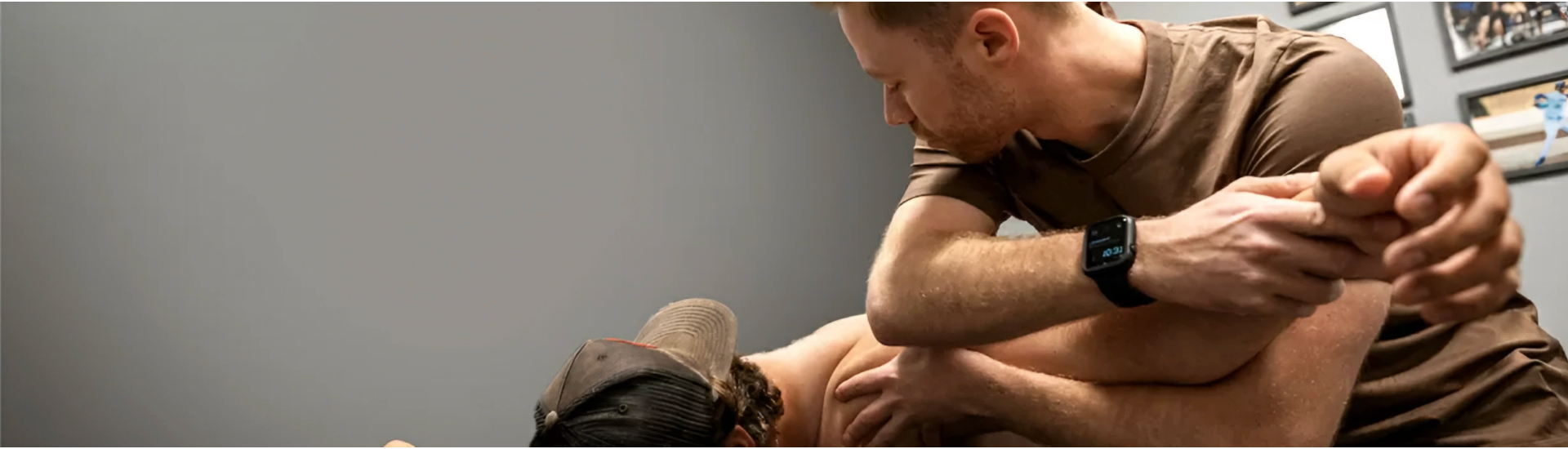
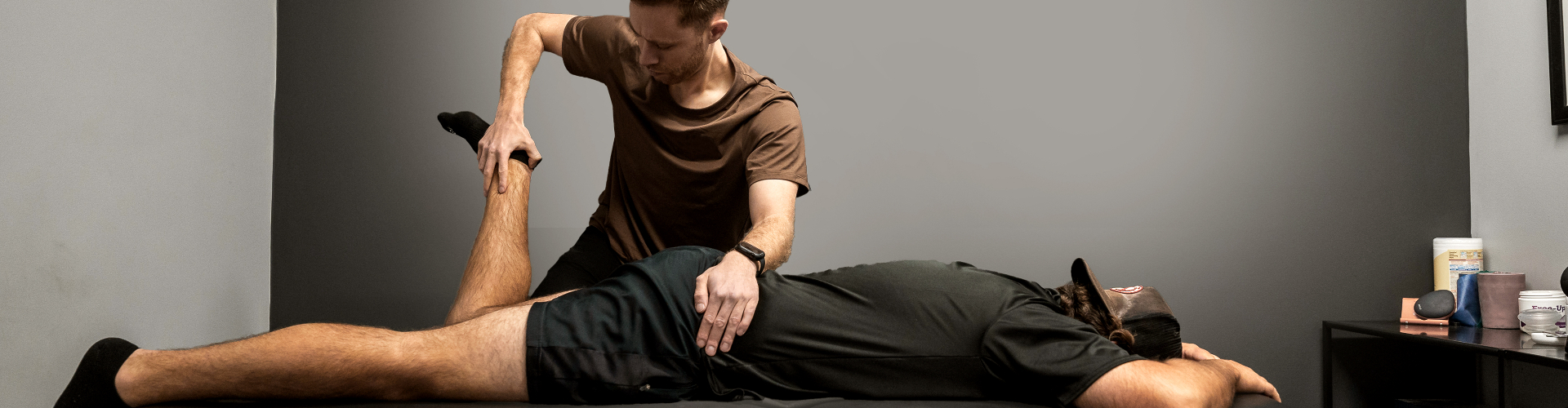
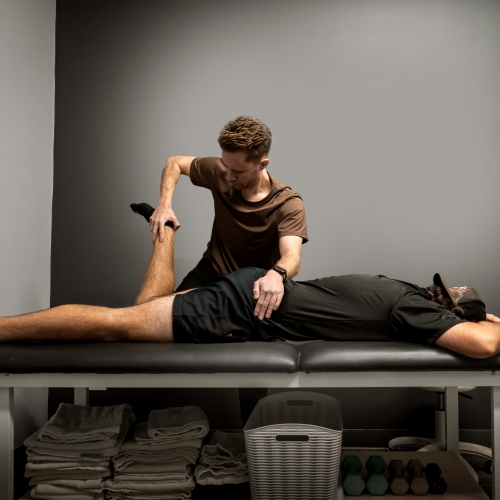
Rehabilitation following joint replacement surgery focuses on restoring safe movement and improving the strength of muscles that support the joint. Early movement, when appropriate and guided by a therapist, can help improve mobility and support recovery.
At Precizion Performance, rehabilitation programs are designed around each patient’s procedure, physical condition, and activity goals.
Treatment may include:
- Mobility Exercises: Guided movement exercises help improve joint flexibility and gradually restore range of motion following surgery.
- Strengthening Programs: Targeted exercises help rebuild the muscles surrounding the replaced joint, supporting stability and movement control.
- Swelling Management: Therapists may provide strategies that help manage swelling and support comfortable movement during recovery.
- Functional Training: Patients practice everyday movements such as walking, climbing stairs, standing from a chair, or reaching overhead depending on the joint involved.
- Balance and Stability Work: Rehabilitation may include exercises designed to improve balance and coordination as patients return to regular activities.
A Structured Approach to Recovery
Recovery after joint replacement is a gradual process that progresses through multiple stages. Early therapy often focuses on restoring basic mobility and protecting the surgical area. As healing continues, strengthening and functional movement training become more prominent.
Therapists monitor progress throughout rehabilitation and adjust the treatment plan as mobility and strength improve. This structured progression helps ensure that patients build the capacity needed to safely return to daily routines and physical activities.
Start Your Recovery with Guided Rehabilitation
Joint replacement surgery is an important step toward improving mobility and reducing limitations caused by joint damage. Rehabilitation plays a key role in helping you regain movement, strength, and confidence in your daily activities. If you are preparing for surgery or beginning recovery, the team at Precizion Performance in Montclair, CA can help guide your rehabilitation with a personalized treatment plan designed around your recovery goals.
Frequently Asked Questions
How soon should physical therapy begin after joint replacement surgery?
How long does joint replacement rehabilitation typically last?
Will I regain full movement after joint replacement?