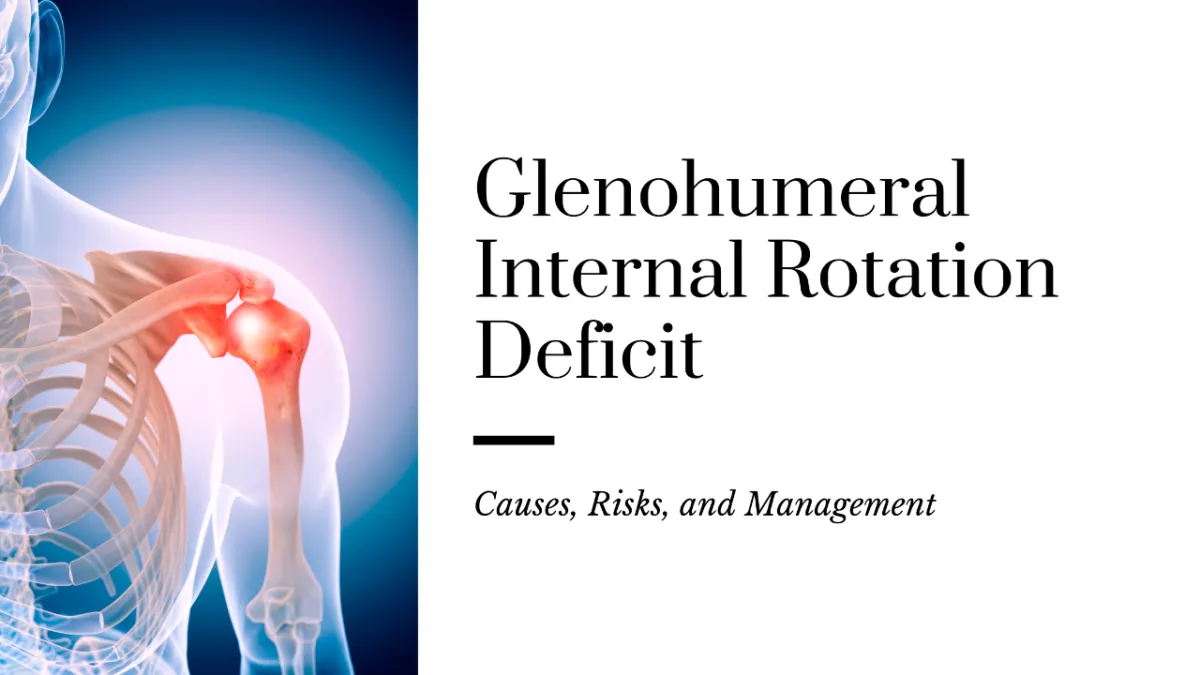
Glenohumeral Internal Rotation Deficit (GIRD) is a significant concern among baseball players, characterized by limitations in the internal rotation range of motion at the shoulder joint. This condition impacts not only performance but also increases the risk of shoulder injuries, making it crucial for athletes and coaches to understand its causes and implications.
Contributing Factors
GIRD is influenced by several factors, including:
- Humeral Retroversion: The natural variation in humeral retroversion can account for a substantial portion of internal rotation loss, typically ranging from 10 to 17 degrees.
- Posterior Cuff Tightness: The infraspinatus and teres minor muscles, comprising the posterior cuff, endure repetitive eccentric contractions during throwing, leading to muscle tightness and potential microtrauma.
- Posterior Capsule Tightness and Thickness: Restrictions in the posterior capsule can hinder internal rotation and alter joint mechanics, particularly evident during the late cocking phase of throwing.
Clinical Significance
A clinically significant GIRD is often defined by an internal rotation deficit of 18 degrees or more. Research indicates that athletes with a 20-degree deficit are at a higher risk of shoulder injuries, underscoring the importance of early detection and management.
Mechanisms of Injury
GIRD can precipitate various shoulder pathologies, including:
- Internal Impingement: Restriction in internal rotation can lead to impingement of structures within the shoulder joint, exacerbating injury risk during overhead activities.
- Labral, Biceps Tendon, and Rotator Cuff Stress: Altered joint mechanics due to GIRD increase stress on the labrum, biceps tendon, and rotator cuff muscles, predisposing them to overuse injuries.
Management Strategies
Effective management of GIRD involves:
- Stretching and Mobility Exercises: Targeted stretching of the posterior capsule and strengthening of the posterior cuff muscles can alleviate tightness and restore normal range of motion.
- Rest and Recovery: Monitoring rest intervals between throwing sessions is crucial to allow adequate recovery and prevent cumulative microtrauma.
- Biomechanical Optimization: Emphasizing proper throwing mechanics and optimizing shoulder stability through corrective exercises and proprioceptive training.
By addressing GIRD through targeted interventions and proactive management strategies, baseball players can mitigate injury risks and optimize shoulder function for enhanced performance and longevity in the sport. Coaches, therapists, and athletes alike play pivotal roles in implementing these strategies to safeguard shoulder health and maintain peak athletic performance.
If you’re not yet ready to book a free assessment, then you might be interested in these articles: