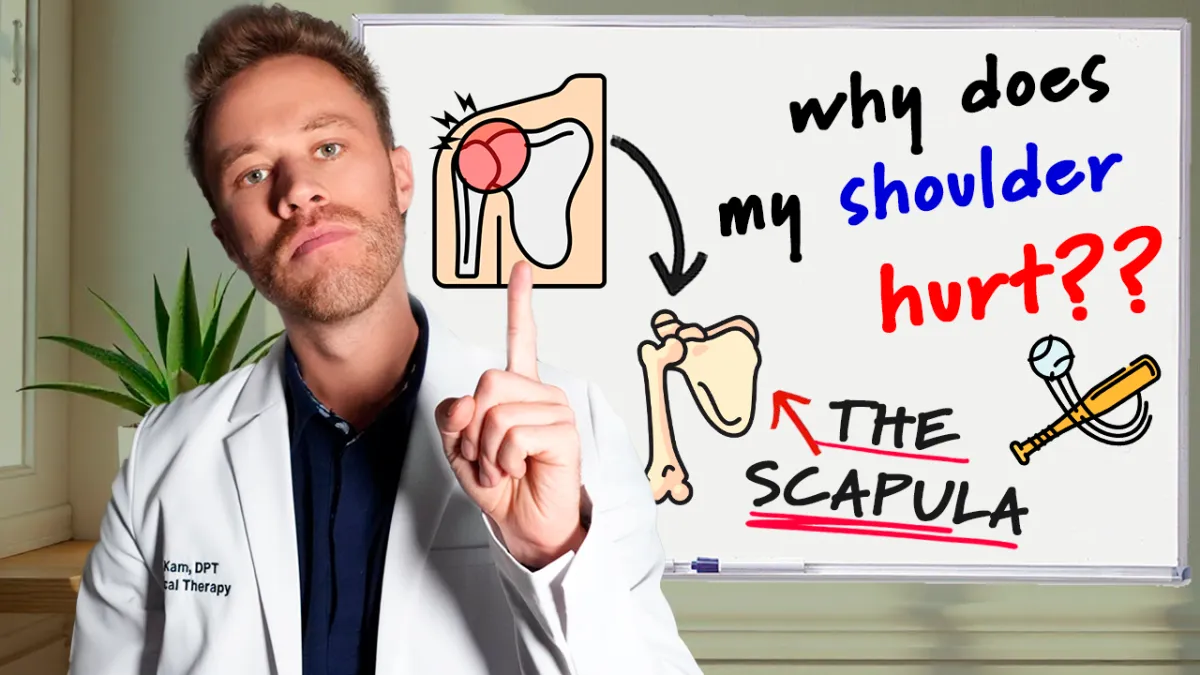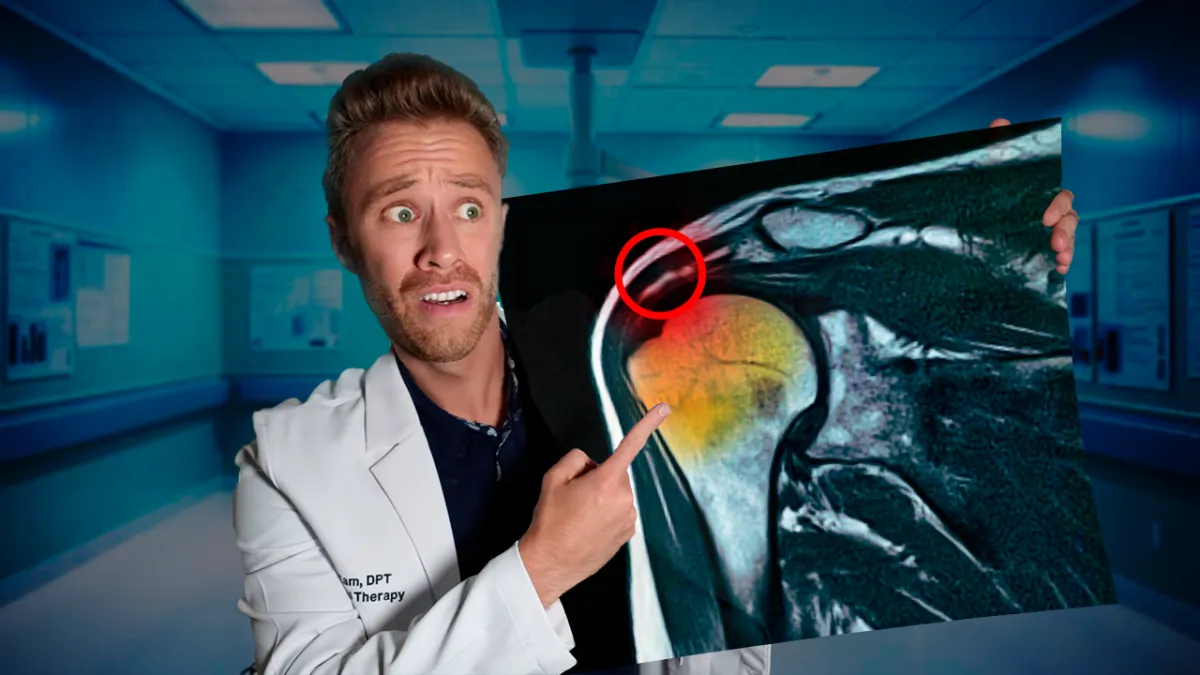
Shoulder pain can feel like a roadblock, especially for baseball and softball players. Are you worried about a rotator cuff tear or unsure if it’s just impingement? You’re not alone. As a double board-certified sports physical therapist, I’m here to guide you through the key signs and at-home tests to help you better understand your shoulder pain and take the next steps toward recovery.
What Are Rotator Cuff Tears?
The rotator cuff is a group of muscles and tendons in your shoulder, and injuries to it generally fall into two categories: partial tears and complete tears. Here’s a simple breakdown:
- Partial Tear: Damage to the muscle, but it’s still partially intact. This can range from small to massive tears. Pain tends to be consistent.
- Complete Tear: The muscle is fully torn, often due to significant trauma. While this can cause severe pain initially, it may fade, leaving behind noticeable weakness.
Quick Analogy: Think of a sheet of paper. A partial tear is like a small slice or rip, while a complete tear is tearing the sheet in half.
At-Home Tests for a Rotator Cuff Tear
Here are three simple tests you can try to check for a rotator cuff tear:
1. Drop Arm Test
- Lift your arm straight out to the side.
- Slowly lower it back down.
Results: If your arm drops uncontrollably, it might indicate a tear, especially in the supraspinatus muscle.
2. External Rotation Test
- With your arm at your side, rotate it outward and hold the position.
Results: If your arm feels weak or snaps back even slightly, you may have a tear in the infraspinatus or teres minor.
3. Lift-Off Test
- Place your hand on your lower back and try to lift it off.
Results: If you can’t lift your hand or it’s extremely painful, this might point to a tear in the subscapularis.
How to Spot Shoulder Impingement
Shoulder impingement happens when the rotator cuff gets pinched during movement, leading to pain and reduced motion. Try these quick tests:
1. Painful Arc Test
- Slowly raise your arm overhead.
- Look for pain between 60 and 120 degrees that disappears as your arm continues upward.
Results: Pain in this range often signals shoulder impingement.
2. Empty Can Test
- Raise your arm to shoulder height, thumb pointing downward, and resist pressure.
Results: Pain could suggest impingement or a rotator cuff issue.
3. Hawkins-Kennedy Test
- Raise your arm to 90 degrees, bend your elbow, and have someone apply downward pressure.
Results: Pain here is another sign of shoulder impingement.
What to Do If You Suspect a Shoulder Injury
These tests can provide clues, but they’re not a substitute for a professional diagnosis. Persistent pain, weakness, or limited motion should be addressed by a physical therapist or orthopedic specialist.
Conclusion: What’s Next for Your Shoulder?
So, how can you tell if you have a rotator cuff tear or shoulder impingement? A combination of consistent pain, weakness, and these simple tests can point you in the right direction, but consulting a professional is essential to confirm the diagnosis.
At Kam Physical Therapy and Performance, I specialize in helping athletes like you recover from shoulder injuries and get back to the game you love. Check out my detailed guide on pre-throwing andpost-throwing arm care exercises to further protect your shoulder. Need more help? Schedule an assessment with us today.
Stay strong, stay healthy, and I’ve got you covered!
If you’re not yet ready to book a free assessment, then you might be interested in these articles: